
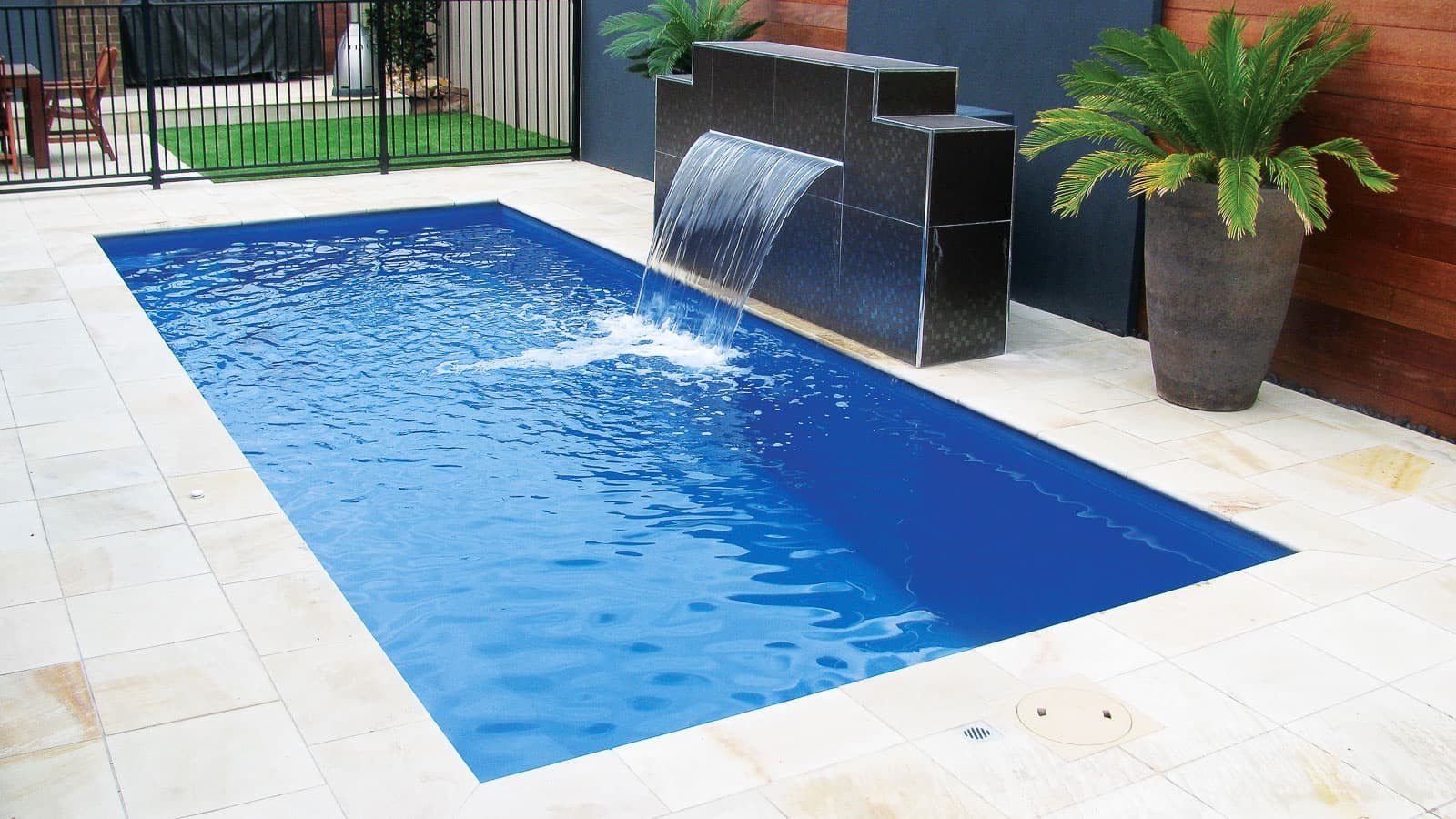
Installing a prefabricated pool in your backyard is a significant investment that adds beauty, relaxation, and value to your home. Unlike traditional pools, prefabricated pools are manufactured off-site and delivered ready for installation. This makes the selection process even more critical since prefabricated pools have fixed dimensions and shapes. Therefore, choosing the right size and shape from the start is essential for long-term satisfaction.
In this guide, we’ll walk you through every factor you should consider when selecting the perfect prefabricated pool to meet your aesthetic, functional, and budgetary needs.
1. Understand Your Requirements and Lifestyle
Before deciding on size or shape, start by evaluating how you plan to use the pool. Ask yourself the following questions:
a. Who will be using the pool?
- Families with children may need a shallow end for safety and play.
- Adults only may prefer deeper water for swimming or relaxing.
- Elderly users may need a step-in design for easy access.
b. What is the primary use?
- Recreational Use: Pools designed for relaxation and family time can be medium-sized with varying depths.
- Fitness and Exercise: If swimming laps is important, go for a long rectangular design with a consistent depth.
- Entertainment: If you plan to host pool parties, consider a larger size with surrounding space for lounging.
c. How often will the pool be used?
A frequently used pool justifies a bigger size, while an occasional-use pool might be best kept compact to reduce maintenance costs.
2. Evaluate Your Available Space
Your backyard’s size and layout play a major role in deciding what type of pool you can install. Here’s how to make the most of your space:
a. Measure Your Yard
Start by taking accurate measurements of the entire available area. Keep in mind:
- Local zoning regulations or HOA restrictions
- Setback requirements from property lines
- Space for poolside furniture, landscaping, and walkways
b. Consider the Landscape
If your yard has a slope, trees, rocks, or existing structures like a patio or shed, these will influence the pool’s size and shape. A freeform or kidney-shaped pool may fit better in an irregular space compared to a traditional rectangular shape.
c. Plan for Future Additions
Leave room for future upgrades like a hot tub, outdoor kitchen, deck, or pergola. These additions enhance the overall experience and add value.
3. Choose the Right Pool Size
The size of your pool should reflect both your available space and how you plan to use it. Here’s a general size guide based on usage:
a. Small Pools (10-20 feet long)
- Ideal for small yards or limited space
- Good for cooling off and relaxing
- Less expensive to install and maintain
- Great for plunge pools or spa-style relaxation
b. Medium Pools (20-30 feet long)
- Best for small families and moderate usage
- Offers a balance between play and relaxation
- Can include shallow and deep ends
c. Large Pools (30-40+ feet long)
- Suitable for large families or frequent entertaining
- Allows space for swimming laps
- Requires more space, budget, and maintenance
Tip:
If you’re unsure, go one size up from your initial preference, especially if you plan to stay in the house long-term. Many homeowners regret not choosing a slightly larger size once installation is complete.
4. Select the Best Pool Shape for Your Needs
Prefabricated pools come in a variety of shapes. The shape you choose should align with the intended use, your landscape, and your aesthetic preference.
a. Rectangular Pools
- Best for lap swimming and modern homes
- Clean lines and uniform depth
- Easier to install pool covers and accessories
- Ideal for structured, formal settings
b. Oval or Round Pools
- Great for small or medium spaces
- Offers a softer aesthetic
- Better suited for lounging and recreational use
- No sharp corners—safer for kids
c. Kidney-Shaped Pools
- Elegant and functional
- The curve divides the pool into shallow and deep ends
- Ideal for yards with unique layouts or landscaping
d. Freeform Pools
- Designed to mimic natural water bodies
- Perfect for custom landscaping
- Great for irregular or hilly yards
- Provides a relaxed, organic look
e. L-Shaped Pools
- Combines a lap lane with a play area
- Good for dual-use families (fitness + recreation)
- Creates distinct zones within the pool
5. Factor in Pool Depth
Depth plays a major role in how enjoyable and safe your pool will be. Here are a few considerations:
a. Uniform Depth (4-5 feet)
- Ideal for fitness and casual swimming
- Safer for children and less confident swimmers
- Easier to clean and maintain
b. Variable Depth (Shallow to Deep)
- Shallow end for play, deep end for diving
- Requires more space and cost
- Offers more versatility
c. Diving Pools
- Must be at least 8 feet deep
- Not ideal for small spaces
- Adds significant cost and structural considerations
6. Budget Considerations
Your budget will largely influence the size and shape of the pool you choose. Here’s what to keep in mind:
a. Initial Cost
Larger and uniquely shaped prefabricated pools cost more due to higher material, transport, and installation costs. Rectangular pools tend to be the most affordable due to ease of manufacturing.
b. Maintenance Costs
Bigger pools require more water, more cleaning, and more chemicals. Choose a size that won’t strain your maintenance routine.
c. Additional Features
Budget for:
- Lighting
- Heating systems
- Waterfalls or fountains
- Poolside landscaping and decking
7. Consider Local Climate and Sun Exposure
Your climate influences how often and how long you can use your pool.
- Hot climates: Larger pools may be more useful, but may require shading features.
- Cooler regions: Consider a smaller pool with a heating system to extend usability.
- Sun exposure: Place your pool where it gets the most sunlight during the day for warmth and efficiency.
8. Think About Aesthetic Harmony
Your pool should complement the architecture of your home and the design of your outdoor space. Here are some guidelines:
a. Match with House Style
- Modern homes: Clean, geometric shapes like rectangles or squares
- Rustic or traditional homes: Freeform, round, or kidney-shaped pools
- Minimalist settings: Sleek, monochromatic rectangular designs
b. Coordinate With Landscaping
Surround your pool with plants, stones, lighting, or tiles that match your garden’s look. Irregular-shaped pools work best with natural landscaping, while geometric shapes go well with structured patios.
9. Legal, Safety, and Zoning Compliance
Before making a final decision, ensure that your pool size and shape comply with local building codes, setback requirements, and safety regulations. You may need:
- Building permits
- Fencing and gating around the pool
- Anti-slip decking materials
- Safety covers or alarms for children and pets
10. Consult a Professional
Although it may seem tempting to make these decisions independently, speaking with a pool installation expert or landscape designer can help you:
- Assess your backyard space accurately
- Navigate zoning and safety laws
- Choose the best materials and accessories
- Plan the layout for aesthetics and utility
Conclusion
Choosing the right size and shape for your prefabricated pool is not a one-size-fits-all decision. It involves careful planning, understanding your needs, and evaluating your space and budget. Whether you want a small plunge pool for quiet evenings or a large multi-use pool for family fun and exercise, there are prefabricated options to suit every lifestyle.
By considering the factors outlined in this guide—such as usage, space, shape, depth, budget, and aesthetics—you can make an informed decision that will bring joy, relaxation, and increased property value for years to come.